Communicable · High priority
Acute diarrhoeal disease and cholera
Core disease facts with the linked government programme, prevention and treatment or cure reality.
TypeInfectious syndrome with several possible causes; cholera is bacterial and is caused by toxigenic Vibrio cholerae.
Image-based identification
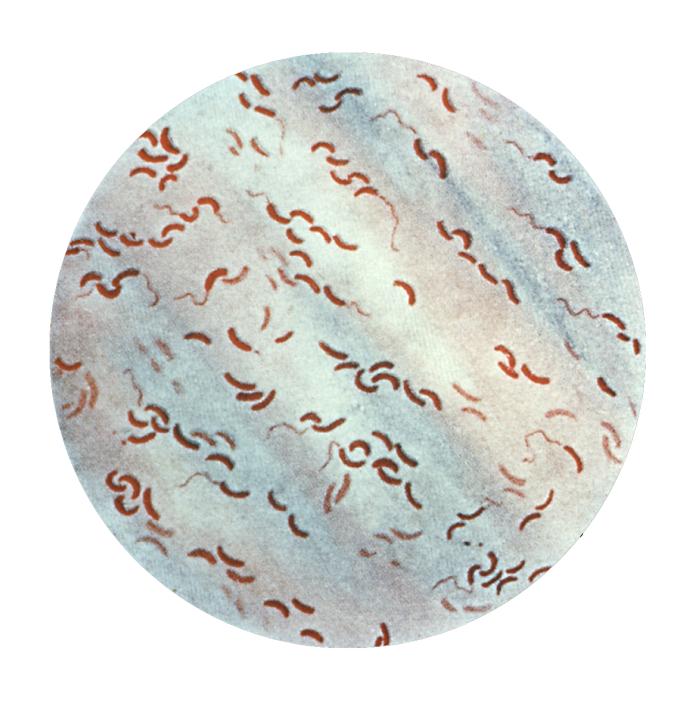
Government programmes, schemes and services
- Campaign: STOP Diarrhoea Campaign: Uses a Prevent–Protect–Treat approach—safe water and hygiene, breastfeeding and nutrition, and prompt oral rehydration solution plus zinc—to prevent childhood diarrhoeal deaths.
- Surveillance: Integrated Disease Surveillance Programme–IHIP: Detects unusual rises in diarrhoea or cholera and supports rapid investigation and outbreak response.
- Linked initiative: Jal Jeevan Mission and Swachh Bharat Mission: Improve safe household water, sanitation and hygiene, thereby reducing faeco-oral transmission; they are not treatment programmes.
Prevention
- Prevent: Safe water, sanitation, handwashing, food hygiene, breastfeeding, rotavirus vaccination, Oral Rehydration Solution and zinc availability
Treatment and cure reality
- Treat: Usually treatable/curable. Oral or intravenous rehydration is central; zinc for childhood diarrhoea; antibiotics only when specifically indicated.
Must remember
- Epidemic serogroups: Toxigenic Vibrio cholerae O1 and O139 are the main serogroups associated with cholera outbreaks.
- Spread: Faeco-oral, commonly through unsafe water or food.
- Classic cholera stool: Profuse painless “rice-water” stool causing rapid dehydration.
- Primary treatment: Immediate rehydration; Oral Rehydration Solution for most patients and intravenous Ringer’s lactate for severe dehydration.
- Oral Rehydration Solution mechanism: Glucose promotes sodium and water absorption through sodium-glucose co-transport.
- Low-osmolarity Oral Rehydration Solution: Sodium 75 mmol/L, glucose 75 mmol/L, total osmolarity 245 mOsm/L—the most testable composition numbers.
- Prepared solution: Use clean water and discard after 24 hours.
- Zinc in childhood diarrhoea: 10 mg daily below 6 months; 20 mg daily from 6 months onward, for 14 days.
- Antibiotics: Not routine for every watery diarrhoea; used in selected cholera, dysentery, or other indicated bacterial disease under protocol.
- Do not stop feeding: Continue breastfeeding and age-appropriate feeding.
- Prevention: Safe water, sanitation, handwashing, food safety, surveillance, and oral cholera vaccine in selected settings.