Communicable · Low priority
Kala-azar
Core disease facts with the linked government programme, prevention and treatment or cure reality.
TypeProtozoal parasitic disease — caused in India by Leishmania donovani.
Image-based identification
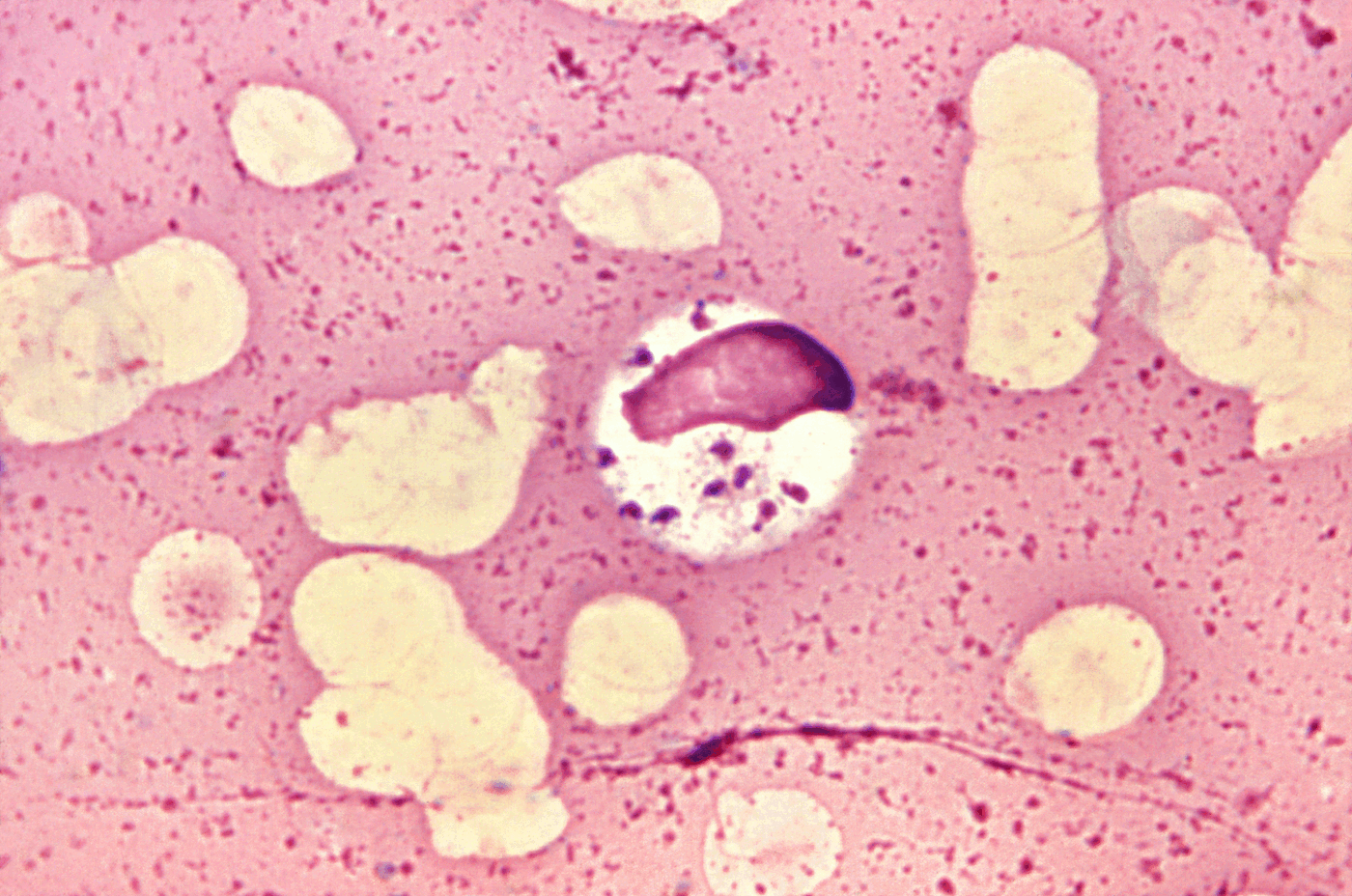
Government programmes, schemes and services
- Programme: National Kala-Azar Elimination Programme: Sustains elimination through early diagnosis and complete free treatment, indoor residual spraying, vector surveillance and detection of post-kala-azar dermal leishmaniasis.
- Service: Kala-azar Management Information System: Records cases, treatment and programme indicators in endemic areas for monitoring and follow-up.
Prevention
- Prevent: Early case detection/treatment, Indoor Residual Spraying, sandfly control, surveillance and Post-Kala-azar Dermal Leishmaniasis detection
Treatment and cure reality
- Treat: Curable with programme-approved antileishmanial treatment; free diagnosis and treatment are provided in endemic blocks.
Must remember
- Vector: Transmitted by the female sandfly.
- Clues: Prolonged fever, weight loss, massive splenomegaly, pancytopenia, and skin darkening.
- Elimination definition: Fewer than 1 case per 10,000 population at block level.
- Geography: The national programme concentrates on historically endemic eastern states; Odisha is not a principal endemic state, so detailed drug regimens are poor-return reading.