Communicable · High priority
Lymphatic filariasis
Core disease facts with the linked government programme, prevention and treatment or cure reality.
TypeParasitic worm disease — usually caused in India by the filarial nematode Wuchereria bancrofti.
Image-based identification
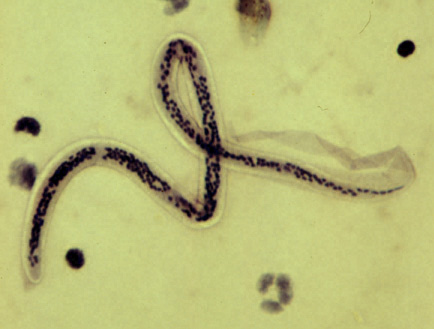
Government programmes, schemes and services
- Programme: National Programme to Eliminate Lymphatic Filariasis: Aims to interrupt transmission through annual mass drug administration and to reduce suffering through morbidity management and disability prevention.
- Campaign: Sarva Dawa Sevan / Mass Drug Administration: Offers preventive medicines to eligible people in endemic districts whether or not they have symptoms; full community participation is essential.
- Service: Morbidity Management and Disability Prevention: Teaches limb hygiene and exercise, treats acute attacks and provides hydrocele surgery to reduce disability.
Prevention
- Prevent: Eligible people swallow campaign drugs; mosquito control; limb hygiene and skin care
Treatment and cure reality
- Treat: Antifilarial treatment reduces infection/transmission; established elephantiasis may not be fully reversible. Hydrocele can be surgically treated.
Must remember
- Common vector: Culex quinquefasciatus.
- Chronic features: Lymphoedema/elephantiasis and hydrocele.
- Two programme pillars: Interrupt transmission through Mass Drug Administration; provide Morbidity Management and Disability Prevention.
- IDA regimen: Ivermectin + Diethylcarbamazine + Albendazole in eligible areas/populations.
- Mass Drug Administration exclusions: Common programme exclusions include pregnancy, children below 2 years, and seriously ill persons.
- Compliance trap: Drugs must be swallowed under supervision where the campaign directs; distribution alone is not effective coverage.
- Home care: Limb washing, skin care, exercise/elevation, treatment of entry lesions, and hydrocele surgery when indicated.
- Target: Elimination of lymphatic filariasis by 2027.