Communicable · High priority
Japanese encephalitis
Core disease facts with the linked government programme, prevention and treatment or cure reality.
TypeViral disease — caused by Japanese encephalitis virus.
Image-based identification
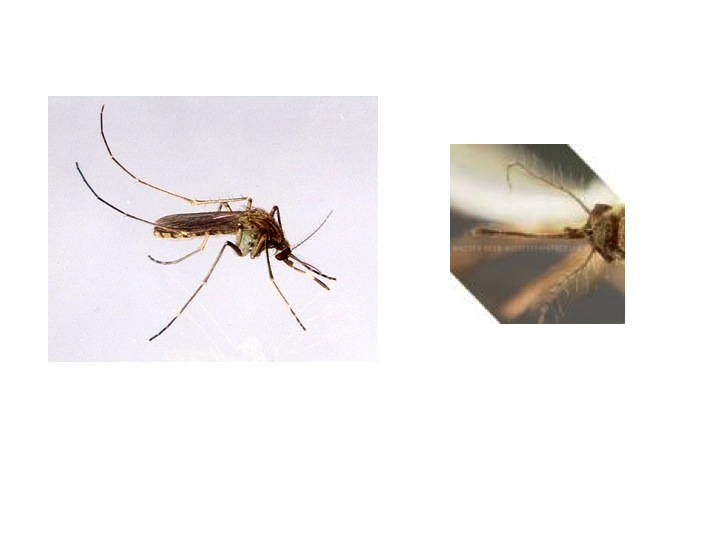
Government programmes, schemes and services
- Programme: National Vector Borne Disease Control Programme: Works to reduce Japanese encephalitis illness and deaths through surveillance, vector control, training and case-management support.
- Programme: Universal Immunisation Programme: Provides Japanese encephalitis vaccine in selected endemic districts according to the national schedule and campaign policy.
- Surveillance: Acute Encephalitis Syndrome/Japanese encephalitis surveillance: Investigates encephalitis cases, obtains laboratory confirmation and supports early outbreak response.
Prevention
- Prevent: Japanese encephalitis vaccination in selected districts, mosquito control, bite protection, appropriate pig-rearing measures
Treatment and cure reality
- Treat: No specific antiviral cure. Supportive intensive care, seizure control, airway and complication management.
Must remember
- Vector: Mainly Culex vishnui group mosquitoes.
- Amplifying host: Pigs; ardeid water birds are maintenance hosts.
- Human role: Humans are usually dead-end hosts; mosquitoes generally do not acquire sufficient virus from a patient to continue transmission.
- Severe features: Fever, headache, altered sensorium, seizures, focal neurological deficits, and coma.
- Treatment: Supportive; no specific antiviral treatment routinely cures Japanese encephalitis.
- Prevention: Vector control, personal protection, separation of pigsties from homes where feasible, and vaccination.
- Schedule: In selected endemic districts, Japanese encephalitis vaccine is given at 9–12 months and 16–24 months.