Communicable · Very high priority
Malaria
Core disease facts with the linked government programme, prevention and treatment or cure reality.
TypeProtozoal parasitic disease — caused by Plasmodium species.
Image-based identification
Government programmes, schemes and services
- Programme: National Vector Borne Disease Control Programme (NVBDCP): Supports malaria surveillance, prompt testing and complete treatment, insecticide-treated nets, indoor spraying and other vector-control measures, with national elimination targeted for 2030.
- Odisha initiative: DAMaN — Durgama Anchalare Malaria Nirakarana: Takes mass screening, treatment, vector control and community awareness to remote, inaccessible and high-malaria villages in Odisha.
Prevention
- Prevent: Long-Lasting Insecticidal Nets, Indoor Residual Spraying, source reduction, early fever testing, surveillance
Treatment and cure reality
- Treat: Curable. Species/severity-based antimalarials; severe malaria requires emergency injectable artesunate.
Must remember
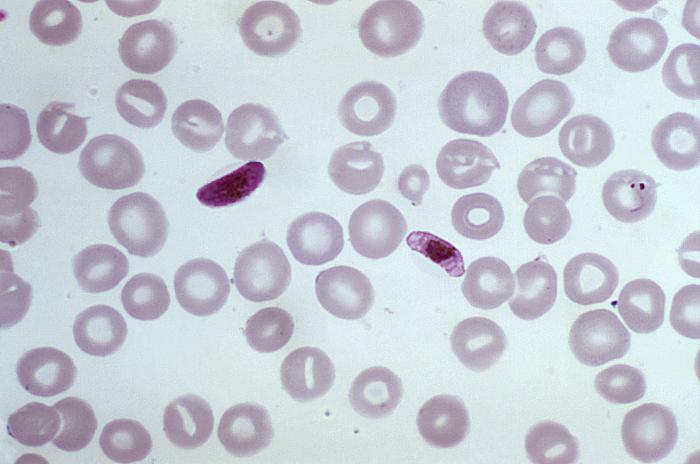
- Species clue: P. falciparum causes the most severe disease, while P. vivax can relapse because of dormant liver forms.
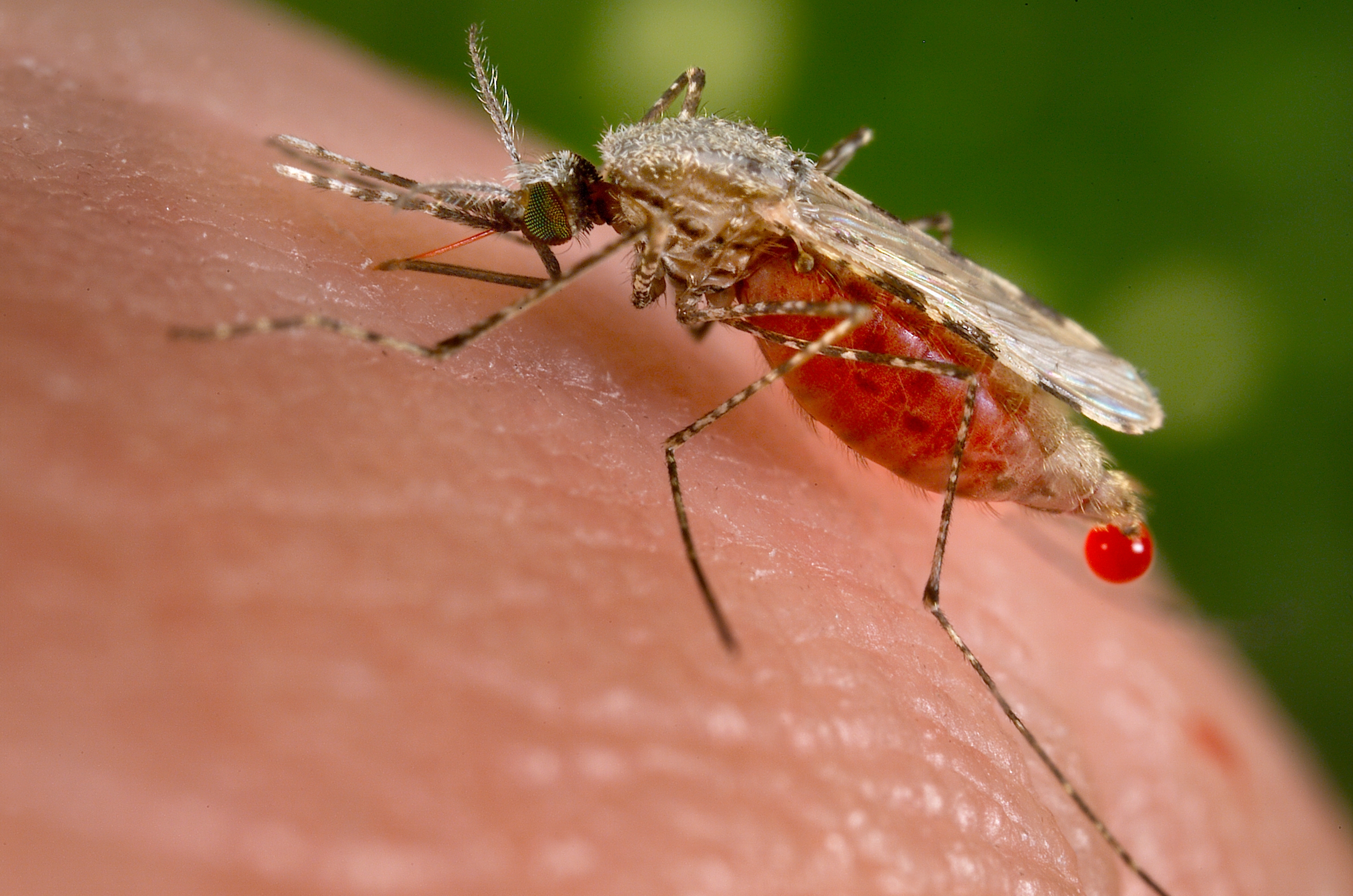
- Vector: Infected female Anopheles mosquito, mainly a night biter.
- Important presentation: Fever with chills, sweating, headache, malaise, anaemia, and splenomegaly; severe disease may cause impaired consciousness, respiratory distress, severe anaemia, renal injury, shock, or hypoglycaemia.
- Do not wait for a fever spike: Test promptly when malaria is suspected. Microscopy or a Rapid Diagnostic Test can be used; the old belief that blood must be collected only during a chill/fever phase is unsafe.
- Microscopy advantage: Identifies parasite species and parasite density when properly performed.
- Rapid Diagnostic Test advantage: Useful for quick diagnosis in remote areas without immediate microscopy.
- Treatment distinction: Uncomplicated P. falciparum generally requires artemisinin-based combination therapy; P. vivax treatment also addresses relapse with primaquine where appropriate and after considering glucose-6-phosphate dehydrogenase safety.
- Severe malaria: A medical emergency; injectable artesunate is the key treatment concept.
- Vector-control pair: Long-Lasting Insecticidal Nets and Indoor Residual Spraying.
- Source reduction: Drain or cover breeding sites; larval-control measures depend on local programme practice.
- 1-3-7 surveillance: Notify a confirmed case within 1 day, investigate within 3 days, and complete focus response within 7 days.
- National targets: Zero indigenous cases targeted by 2027 and malaria-free certification targeted by 2030.
- Odisha hook: DAMaN focuses on malaria control in remote, inaccessible, and high-burden areas; Accredited Social Health Activists act as fever-treatment/testing points using Rapid Diagnostic Tests.