Communicable · Medium priority
Chikungunya
Core disease facts with the linked government programme, prevention and treatment or cure reality.
TypeViral disease — caused by chikungunya virus.
Image-based identification
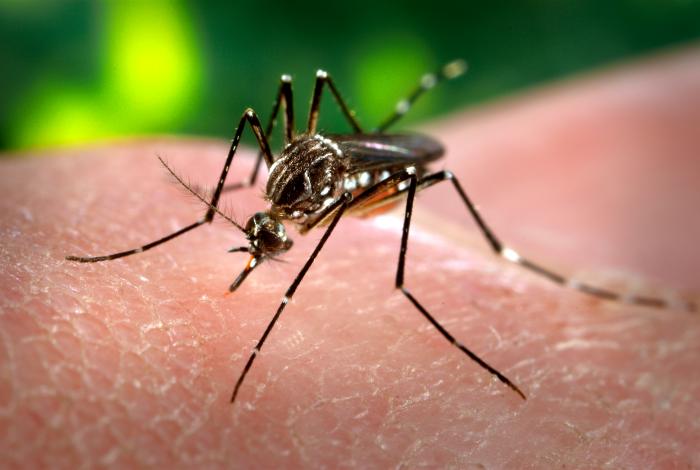
Government programmes, schemes and services
- Programme: National Vector Borne Disease Control Programme: Aims to reduce chikungunya illness through Aedes-breeding control, surveillance, community action and supportive case-management guidance.
- Surveillance: Integrated Disease Surveillance Programme–IHIP: Flags fever-with-joint-pain clusters and supports laboratory confirmation and outbreak response.
Prevention
- Prevent: Aedes source reduction and daytime bite protection
Treatment and cure reality
- Treat: No routine specific antiviral cure. Fluids, paracetamol and supportive care; persistent arthritis may need follow-up.
Must remember
- Vector: Aedes mosquito; mainly a day biter.
- Typical pair: Abrupt fever plus severe joint pain; arthralgia can persist for weeks or months.
- Other findings: Rash, headache, myalgia, and fatigue.
- Diagnosis: Reverse-Transcription Polymerase Chain Reaction early; Immunoglobulin M serology later.
- Treatment: Supportive; no routine specific antiviral treatment.
- Dengue trap: Exclude dengue before giving aspirin/non-steroidal anti-inflammatory drugs because of bleeding risk.