Communicable · High priority
Rabies
Core disease facts with the linked government programme, prevention and treatment or cure reality.
TypeViral disease — caused by rabies virus, a lyssavirus.
Image-based identification
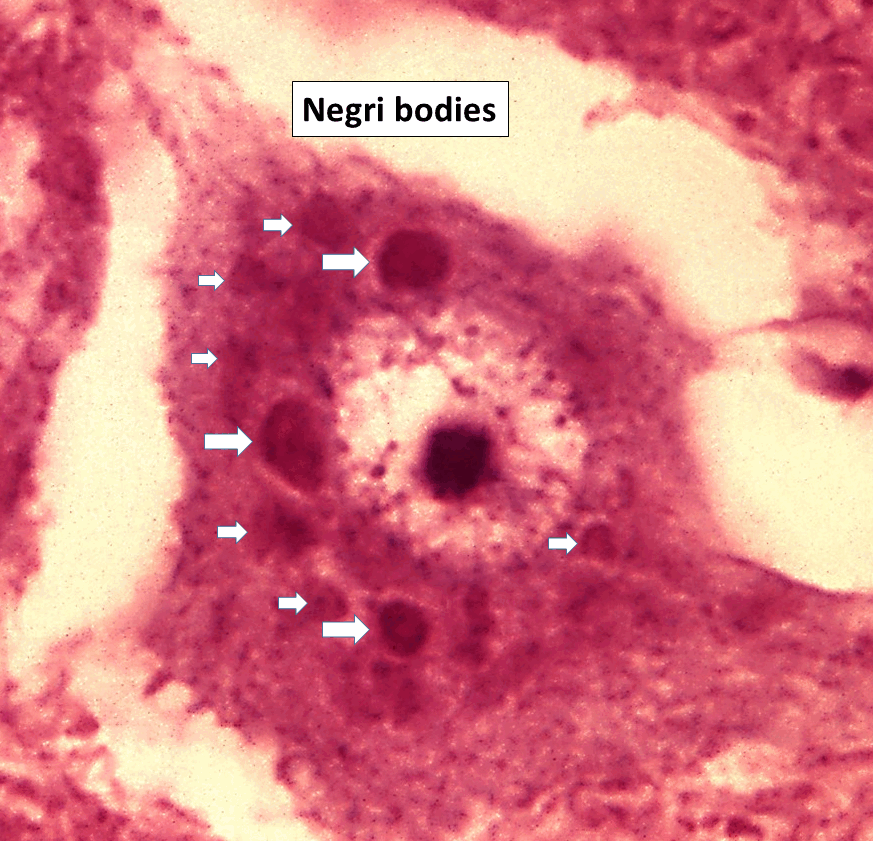
Government programmes, schemes and services
- Programme: National Rabies Control Programme: Strengthens wound-care awareness, rabies vaccination and immunoglobulin access, case surveillance, training and laboratory support for human rabies prevention.
- Action plan: National Action Plan for Dog-Mediated Rabies Elimination: Uses a One Health approach linking human post-exposure care, dog vaccination, surveillance and community awareness to end dog-mediated human rabies by 2030.
- Service: National rabies helpline 15400: Guides bite victims to nearby facilities that provide rabies vaccination and immunoglobulin services.
Prevention
- Prevent: Dog vaccination, bite prevention, 15-minute wound washing, prompt vaccine and rabies immunoglobulin when indicated
Treatment and cure reality
- Treat: Exposure is preventable with correct post-exposure prophylaxis; after clinical symptoms begin there is no reliable cure and disease is almost invariably fatal.
Must remember
- Main source in India: Infected dog bite or saliva exposure; cats and other mammals can also transmit.
- Once clinical symptoms appear: Rabies is almost invariably fatal; prevention after exposure is therefore critical.
- Immediate wound care: Wash and flush thoroughly with soap and running water for about 15 minutes; apply an appropriate antiseptic.
- Avoid: Irritants such as chilli/turmeric, tight suturing, and unnecessary wound closure.
- Category I: Touching/feeding an animal or lick on intact skin—no prophylaxis if history is reliable.
- Category II: Nibbling uncovered skin or minor scratches without bleeding—wound care plus vaccine.
- Category III: Transdermal bite/scratch, lick on broken skin, or mucosal exposure—wound care, vaccine, and rabies immunoglobulin.
- Rabies immunoglobulin: Infiltrate into and around all wounds as far as anatomically possible; give as soon as possible and not later than 7 days after the first vaccine dose.
- Modern vaccine: Cell-culture vaccine; nerve-tissue vaccine is obsolete.
- Do not observe instead of treating: Start indicated post-exposure prophylaxis immediately; observation of a dog/cat can inform later management under protocol.
- Elimination target: Dog-mediated human rabies by 2030 under the national action plan.
- Helpline: National Rabies Control Programme helpline 15400.