Non-communicable · Very high priority
Common cancers
Core disease facts with the linked government programme, prevention and treatment or cure reality.
TypeNon-infectious diseases caused by uncontrolled abnormal cell growth; some infections can increase cancer risk.
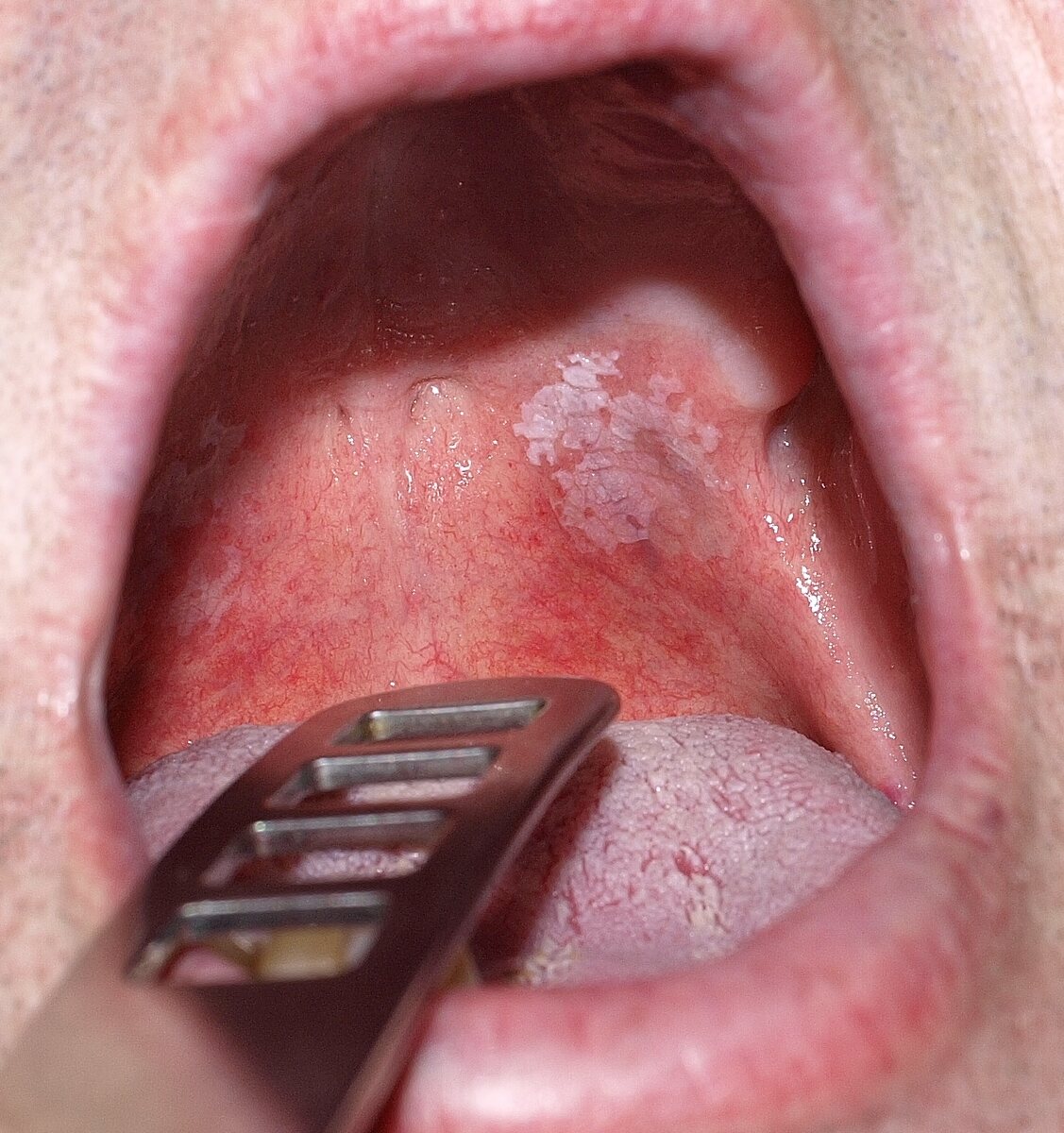
Image-based identification
Government programmes, schemes and services
- Programme: National Programme for Prevention and Control of Non-Communicable Diseases (NP-NCD): Screens eligible adults for oral, breast and cervical cancers and links screen-positive people to diagnostic confirmation, referral and treatment.
- Programme: National Tobacco Control Programme: Reduces tobacco-related cancer risk through awareness, cessation support, monitoring and enforcement of tobacco-control law.
- Campaign: National HPV vaccination campaign: Offers one free quadrivalent HPV vaccine dose to 14-year-old girls to prevent most cervical cancers; screening remains necessary later in life.
- Odisha initiative: Mukhya Mantri Cancer Care Abhiyan: The 2026–27 Odisha initiative strengthens awareness, village-level screening, mobile camps, the cancer registry, early-treatment referral and free patient transport.
- Odisha initiative: Free Cancer Care Programme: Provides day-care chemotherapy through district-headquarters hospitals so many patients can receive treatment closer to home.
- Scheme: GJAY integrated with AB PM-JAY: Finances covered hospital treatment for eligible beneficiaries; it supports access to cancer care but is not the cancer-screening programme.
Prevention
- Prevent: Visual oral examination ≥30 years; stop tobacco/areca nut, limit alcohol
- Prevent: Clinical Breast Examination for women ≥30 years, symptom awareness and prompt referral
- Prevent: Visual Inspection with Acetic Acid for women ≥30 years; one-dose quadrivalent vaccine campaign for girls aged 14 years
- Prevent: Tobacco cessation, cleaner household/occupational air, symptom recognition, spirometry for suspected chronic airflow disease
Treatment and cure reality
- Treat: Potentially curable when detected early, depending on site/stage; biopsy confirms, followed by surgery/radiotherapy/systemic treatment as indicated.
- Treat: Many early cancers are potentially curable; treatment may combine surgery, radiotherapy, endocrine, targeted and systemic therapy.
- Treat: Precancer can be treated to prevent cancer; early cancer is often curable, while advanced disease requires multimodal/palliative care.
- Treat: Lung-cancer cure depends on stage; asthma is usually controllable; chronic obstructive pulmonary disease airflow damage is not reversible, but symptoms/exacerbations can be reduced.
Must remember
- Big risks: Smoked and smokeless tobacco, areca nut/betel quid, and alcohol.
- Warning lesions: Non-healing ulcer, red patch, white patch, unexplained oral bleeding, restricted mouth opening, neck node, or persistent hoarseness.
- Screening: Visual examination of the oral cavity in adults 30 years and above; suspicious lesions require referral and biopsy.
- Warning signs: Painless lump, skin dimpling, nipple retraction, bloody discharge, peau d’orange, or axillary node.
- Screening: Clinical Breast Examination for women 30 years and above; a screening finding is not a final diagnosis.
- Diagnosis pathway: Imaging plus tissue/cytology assessment as appropriate; biopsy gives definitive histology.
- Self-awareness trap: Breast self-examination awareness does not replace Clinical Breast Examination or diagnostic evaluation.
- Main cause: Persistent high-risk Human Papillomavirus infection, especially types 16 and 18.
- Screening: Visual Inspection with Acetic Acid for women 30 years and above, generally once every 5 years under programme guidance; a positive screen needs diagnostic evaluation.
- Prevention: Human Papillomavirus vaccination plus screening; vaccination does not treat an existing cancer.
- 2026 campaign: Free nationwide single-dose quadrivalent Human Papillomavirus vaccine for girls aged 14 years, launched 28 February 2026; registration and recording use U-WIN.
- Vaccine types covered: Quadrivalent vaccine covers Human Papillomavirus 6, 11, 16, and 18.
- Dominant preventable risk: Tobacco smoke; occupational and air-pollution exposures also matter.
- Warning signs: Persistent/change in cough, haemoptysis, chest pain, unexplained weight loss, recurrent pneumonia, or hoarseness.
- Prevention: Tobacco control and cessation; a normal chest X-ray does not exclude all early cancer.
- Screening identifies apparently healthy people at increased risk; biopsy confirms cancer.
- “Tumour marker” tests are generally not stand-alone population screening tests.
- Do not spend time on complete TNM staging for every tumour unless the syllabus explicitly requires it.