Communicable · High priority
Measles and rubella
Core disease facts with the linked government programme, prevention and treatment or cure reality.
TypeViral diseases — measles and rubella are caused by different viruses.
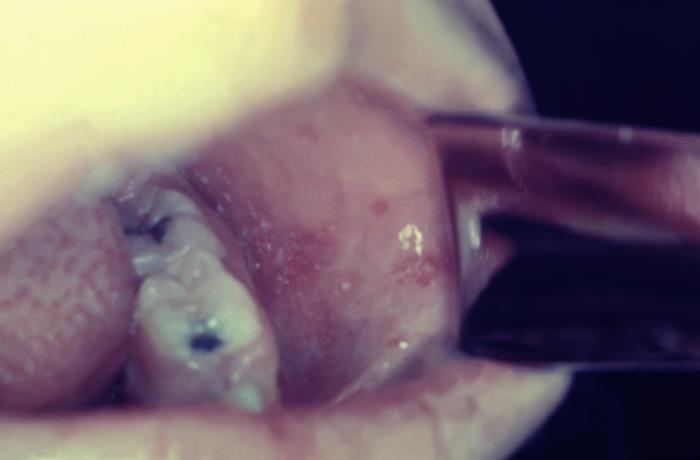
Image-based identification
Government programmes, schemes and services
- Programme: Universal Immunisation Programme: Provides two routine Measles–Rubella vaccine doses and surveillance to prevent outbreaks and congenital rubella syndrome.
- Mission: Mission Indradhanush: Runs special drives to vaccinate children and pregnant women who were missed or only partly covered by routine immunisation.
- Service: U-WIN: Digitally registers beneficiaries and records individual vaccination events; it does not replace the national immunisation schedule.
Prevention
- Prevent: Two Measles-Rubella vaccine doses, high community coverage, case isolation, surveillance, outbreak response
Treatment and cure reality
- Treat: No specific antiviral cure. Supportive care; vitamin A for measles according to protocol; treat complications.
Must remember
- Measles spread: Highly contagious airborne infection.
- Measles clues: Fever, cough, coryza, conjunctivitis, Koplik spots, then a descending maculopapular rash.
- Complications: Pneumonia, diarrhoea, otitis media, encephalitis, malnutrition, and death.
- Vitamin A: Given to children with measles according to protocol; reduces complications and mortality.
- Infectious period: Approximately 4 days before through 4 days after rash onset.
- Rubella: Usually mild, but infection early in pregnancy can cause congenital rubella syndrome.
- Congenital rubella syndrome triad memory: Cataract, congenital heart disease, and sensorineural deafness.
- Vaccine: Live attenuated Measles-Rubella vaccine; avoid during pregnancy.
- Indian schedule: Measles-Rubella first dose at 9–12 months and second dose at 16–24 months.
- Exam distinction: Measles disease is treated supportively; vaccination prevents it but is not a treatment for an active case.