Communicable · Medium priority
Leptospirosis
Core disease facts with the linked government programme, prevention and treatment or cure reality.
TypeBacterial disease — caused by pathogenic Leptospira bacteria.
Image-based identification
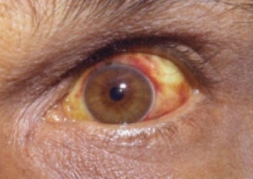
Government programmes, schemes and services
- Programme: Programme for Prevention and Control of Leptospirosis: Strengthens laboratories, early diagnosis, standard case management, prevention, training and surveillance in participating states, including Odisha.
- Surveillance: Integrated Disease Surveillance Programme–IHIP: Monitors fever clusters and supports rapid investigation, particularly after floods or heavy rain when leptospirosis risk rises.
Prevention
- Prevent: Avoid contaminated floodwater, boots/gloves, cover wounds, rodent control, occupational protection
Treatment and cure reality
- Treat: Curable, especially when antibiotics such as doxycycline, penicillin or ceftriaxone are started early according to severity/protocol.
Must remember
- Reservoir/exposure: Urine of infected animals, especially rodents; enters through abraded skin or mucosa after contact with contaminated floodwater, mud, or soil.
- Clues: Acute fever, severe calf-muscle tenderness, headache, and conjunctival suffusion.
- Severe disease: Jaundice, renal failure, haemorrhage, meningitis, or pulmonary involvement.
- Prevention: Boots/gloves, covering wounds, rodent control, drainage, and avoiding contaminated floodwater.
- Odisha hook: Odisha was added to the national Programme for Prevention and Control of Leptospirosis expansion in 2022–23; surveillance is linked with the Integrated Disease Surveillance Programme–Integrated Health Information Platform.