Communicable · High priority
Diphtheria, pertussis, and tetanus
Core disease facts with the linked government programme, prevention and treatment or cure reality.
TypeBacterial diseases — caused by Corynebacterium diphtheriae, Bordetella pertussis and Clostridium tetani respectively.
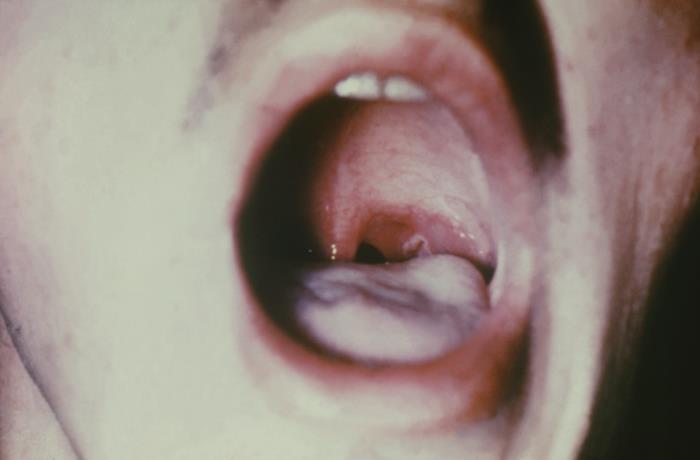
Image-based identification

Government programmes, schemes and services
- Programme: Universal Immunisation Programme: Provides pentavalent, DPT and Td vaccines at scheduled ages to prevent diphtheria, pertussis and tetanus.
- Mission: Mission Indradhanush: Finds and vaccinates children and pregnant women who missed routine vaccine doses, especially in low-coverage and hard-to-reach areas.
- Surveillance: Vaccine-preventable-disease surveillance: Detects cases and clusters, confirms disease where possible and triggers vaccination or outbreak-control action.
Prevention
- Prevent: Pentavalent/Diphtheria-Pertussis-Tetanus/Tetanus-diphtheria vaccination, clean delivery and wound care, isolation/contact measures for diphtheria/pertussis
Treatment and cure reality
- Treat: Treatable: diphtheria needs antitoxin plus antibiotics; pertussis needs appropriate antibiotic/supportive care; tetanus needs immunoglobulin, wound care, spasm/airway support and vaccination.
Must remember
- Diphtheria clue: grey adherent pseudomembrane, “bull neck,” myocarditis, and neuropathy.
- Diphtheria treatment principle: Give diphtheria antitoxin promptly plus antibiotics and isolation; do not wait for laboratory confirmation when strongly suspected.
- Pertussis clue: paroxysmal cough, inspiratory whoop, and post-tussive vomiting; infants may present with apnoea.
- Tetanus clue: trismus, risus sardonicus, rigidity, and painful spasms.
- Tetanus spread: Wound contamination; it does not spread person to person.
- Tetanus disease does not provide reliable immunity: The patient still needs active immunisation.
- Vaccine: Pentavalent vaccine contains diphtheria, pertussis, tetanus, hepatitis B, and Haemophilus influenzae type b antigens.
- Name change: Tetanus-diphtheria vaccine has replaced tetanus toxoid for adolescents and pregnancy in the current national schedule.