Non-communicable · High priority
Sickle-cell disease
Core disease facts with the linked government programme, prevention and treatment or cure reality.
TypeInherited genetic blood disorder — caused by a beta-globin gene mutation producing haemoglobin S.
Image-based identification
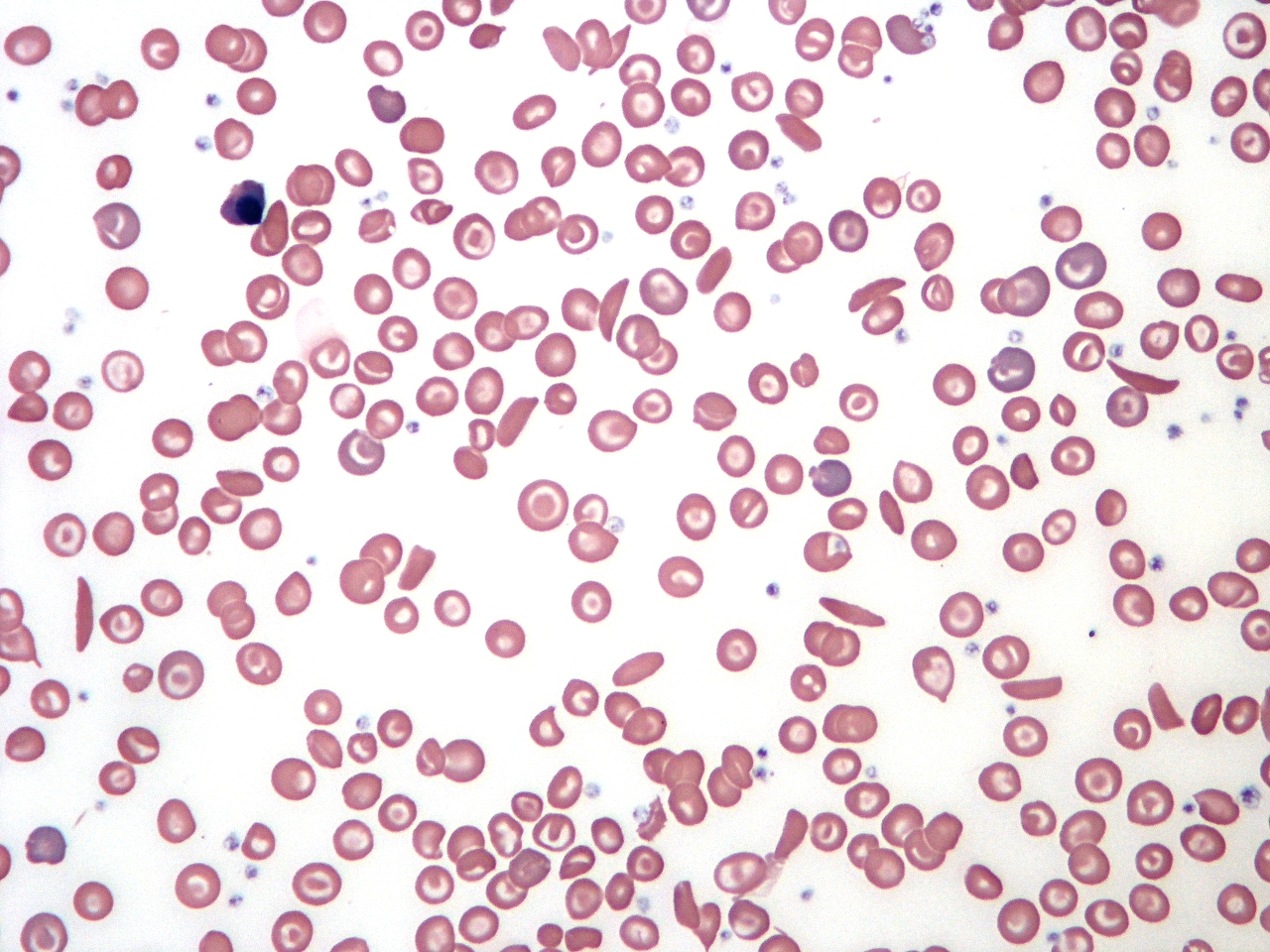
Government programmes, schemes and services
- Mission: National Sickle Cell Anaemia Elimination Mission: Screens people aged 0–40 years in affected tribal areas, gives status cards and counselling, confirms diagnosis and links patients to care, with a public-health target of 2047.
- Odisha initiative: Odisha sickle-cell screening and treatment services: Use school, Anganwadi, village-health-day and Arogya Mandir screening, confirm positive tests and link confirmed patients to monitored hydroxyurea treatment where indicated.
Prevention
- Prevent: Screening through age 40 in high-burden tribal areas, carrier identification, counselling, family screening, vaccination and infection prevention
Treatment and cure reality
- Treat: Chronic inherited disorder; medicines/supportive care reduce crises. Haematopoietic stem-cell transplant can be curative for selected patients, but is not a simple population-wide cure.
Must remember
- Disease versus trait: Sickle-cell disease is not the same as carrier/trait; counselling must distinguish them.
- Trigger for sickling: Dehydration, hypoxia, infection, cold, acidosis, or stress.
- Common features: Chronic haemolytic anaemia, jaundice, painful vaso-occlusive crises, infections, splenic dysfunction, stroke, and acute chest syndrome.
- Acute chest syndrome: Chest pain, fever, respiratory symptoms, and new pulmonary infiltrate; it is an emergency.
- Screening: Solubility/sickling tests may screen; High-Performance Liquid Chromatography or haemoglobin electrophoresis characterises haemoglobin variants.
- Prevention/care: Hydration, vaccination, infection prevention, folic acid as prescribed, crisis treatment, and genetic counselling.
- Mission age focus: Screening began with children and expands up to 40 years in high-burden tribal areas.
- Mission target: Eliminate sickle-cell anaemia as a public-health problem by 2047; this does not mean eradicating a genetic mutation.
- Odisha hook: Odisha is one of the mission’s 17 high-focus states; western and tribal belts have special relevance.